Beginner guides Guide 3 of 14
Pairs, pungs, kongs, and quints
Every hand on the card is built from a few kinds of group. Learn to see them in a messy rack and the card starts to make sense.
The five you need
| Single | One tile on its own. |
| Pair | Two identical tiles. |
| Pung | Three identical tiles. |
| Kong | Four identical tiles. |
| Quint | Five identical tiles. There are only four copies of any tile, so a quint always needs at least one joker. |

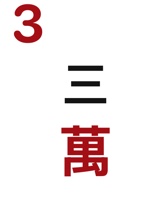
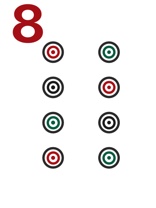
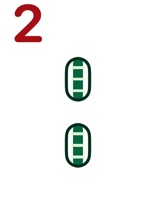

Identical means identical
Same number is not enough. The suit has to match too.

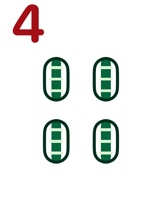

Those are three different tiles. Three 4s in three suits are not a pung. Some hands on the card do ask for the same number across the suits, but that is a feature of the hand, not a group you can make on your own.
Two is not three
The most common beginner slip is counting a pair as a pung. Here is a rack with one of each.

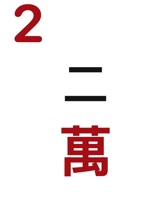
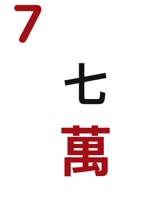
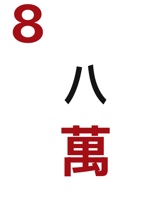
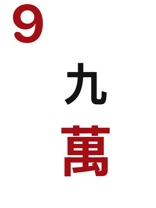
One pung, the 3 craks. The 5s are only a pair. The rules treat the two differently: you can call a discard to finish a pung, and you can use a joker in a pung. You can do neither for a pair.
Winds, dragons, and flowers count too
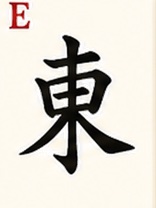
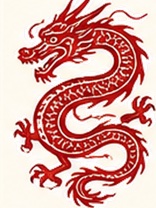
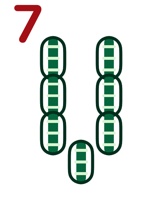
Three east winds are a pung in exactly the way three 7 bams are.
What about runs?
If you have played other kinds of mahjong or rummy, you will look for 5-6-7 in one suit. In the American game a run is not a group you can call for or lay down by itself. Consecutive numbers matter only when a hand on the card is built from them, and then the card says exactly which ones.
How to scan a rack
- Sort your tiles by suit, then by number. Put winds, dragons, flowers, and jokers at one end.
- Go one suit at a time and look for doubles and triples.
- Say what you have: "pair of 5s, pung of 3s." Naming it makes it stick.